
How to Write a Magical Alibi: Clues, Red Herrings, and Timelines
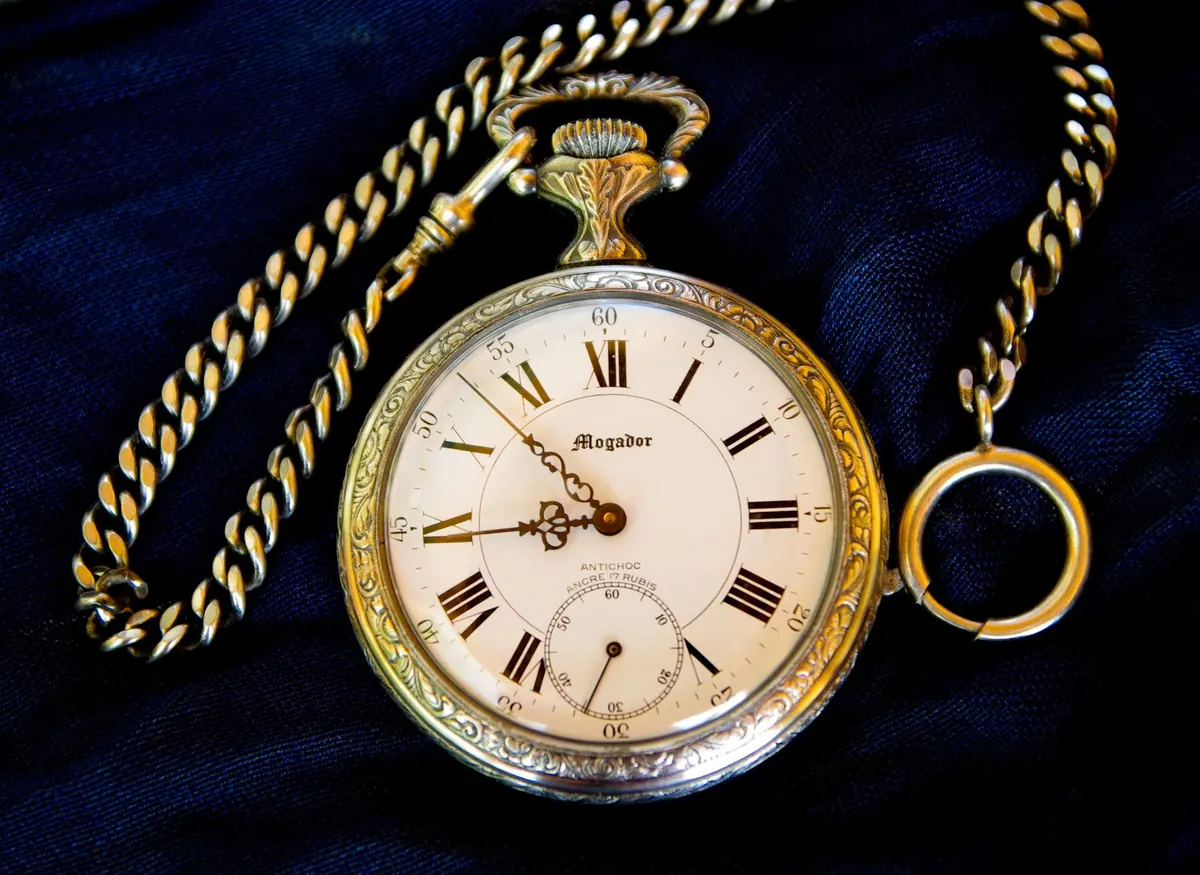
An alibi is the most useful lie in any mystery. Most are partly true, and the best ones are built rather than told — assembled from timetables, witnesses and small domestic details long before anyone thinks to ask. Add magic and the whole business gets richer, because a sorcerer can be in two places at once, arrive without crossing a threshold, or pay a stranger to remember him somewhere he never went. It also gets easier to cheat. The trick is to make the magic obey rules, cost something, and leave a mark.
Start With an Ordinary Alibi, Then Bend One Joint
Every alibi rests on three claims: I was elsewhere; here is what proves it; and I could not have reached the scene from there in time. Write the plain version first — who saw what, where, and when — and only then choose which joint the magic bends.
Most magical alibis bend one of four:
- Displacement. The suspect really was across the city, but arrived by other means. The limit is what the spell cannot carry: a body, a horse, an invitation, a name.
- Duplication. A fetch, mirror-self or bound spirit sat in the parlour and made polite conversation. Doubles are forgetful, literal, and bad at reacting to surprises — which is exactly where they betray their maker.
- Perception. The witnesses are honest and wrong. A glamour, a whispered suggestion, a memory quietly edited. Such work frays, breaks at thresholds, or leaves someone certain they have mislaid an hour.
- Time. The suspect was somewhere real, at a moment nobody expects. Borrowed hours, slow rooms, a night that ran twice. The debt always comes due in sleep, age or temper.
Pick one. An alibi that leans on three kinds of magic at once reads like an excuse rather than a plan, and readers stop trusting the puzzle.
Give the Magic a Cost, a Residue, and a Witness
A magical alibi is only interesting if it can be checked, and checking requires three things:
- A cost, paid in advance. Blood, sleep, a favour owed, a memory surrendered, three days of silence.
- A residue. Ash on the sill, a ring of salt, a smell like hot stone, a fresh entry in the ward-ledger.
- A witness. Someone who can be found, bribed, frightened or contradicted.
The residue is your clue supply. The cost is your motive supply. The witness is your red herring supply. Consider the hearth-spell that proves its wearer stayed home all evening — a fine alibi, until you establish that it answers to whoever holds the ring, and the ring was lent to a cousin who owes money.
Build the Timeline Twice
Write two columns. The true timeline records what actually happened, minute by minute. The believed timeline records what the characters think happened, and when they started believing it. The gap between them is your plot.
The clock the reader can check
Bells, tides, ward-ledgers, market closing, sunrise, the phase of the moon, the guard's change of shift. Dull, public, verifiable. Plant two of these early and casually. When your sleuth finally cracks the alibi, the reader should be able to flip back and see the bell ringing on the page.
The clock the characters argue over
Witness statements. She was with me at the ninth bell. People are vague, self-serving, and sometimes lying for reasons that have nothing to do with the crime. If magic shifts what "when" means — a room where time runs slow, a road that shortens at dusk — let two characters disagree about the hour and both be right. That is a delight, but spend it once.
Clues That Prove, Clues That Lie, Clues That Distract
Clues come in three flavours: physical (a wet cloak in an inland city), magical (ash that smells of cedar, the wood used for summoning), and testimonial (a cook who insists a guest ate nothing all evening). Mix them, and make sure at least one of each survives to the final chapter.
Red herrings work best when they are true. Three that rarely disappoint:
- The innocent liar. Someone with an alibi they are desperate to hide, because it covers an affair, a theft or a debt rather than a murder.
- The misread mechanism. The reader has identified the correct spell but the wrong caster.
- The true but irrelevant fact. A genuine secret that matters to the characters and not at all to the crime.
Every red herring must be resolved. Not necessarily on the page, but in your own notes. If a reader can catch you quietly abandoning one, they will stop trusting the rest of the puzzle.
Breaking a Magical Alibi Without Cheating
The solution should turn on something the reader was told. Four reliable ways to break an alibi fairly:
- The residue nobody accounted for. A second set of footprints, salt where no salt should be, a smell that belongs to a different spell.
- The sequence problem. The working leaves the caster grey and shaking for an hour, so he cannot have done the next thing directly afterwards.
- The witness with a reason. The alibi holds perfectly. The person confirming it does not.
- The definition. Magic bound to a title rather than a soul. Was the person in the tower the woman, or merely the office she holds?
What you must never do is introduce the rule in the reveal. Show it first as colour — the tired mage, the salt line, the bell — then let it return as evidence. Clue and furniture should be the same object, seen twice.
A Working Checklist for Alibi Design
- Write the plain, non-magical alibi first.
- Name the exact spell, its cost, and who paid it.
- Decide the residue before you decide the clue.
- Place two public clocks on the page that the reader can trust.
- Write the false timeline as confidently as the true one.
- Give at least one witness a private reason to lie.
- Confirm the solution uses only rules already established.
Run the Alibi Past the Suspects
Before drafting the reveal, hand your alibi to the least clever character in the room and let them ask three questions: who saw you, what did it cost, and what did you leave behind? If it survives a bored innkeeper, it will survive your reader. Then write the scene where it breaks — an interrogation, a quiet conversation over tea, an argument on the steps of the ward-house — and let your sleuth win on evidence rather than on a spell nobody mentioned before. Keep the rules on a single page of notes, add to them only between books, and your alibis will stay fair, surprising and worth the wait.
Photo: Pixabay / Pexels